How AI is Changing the Way We Work
A simple look at artificial intelligence and how it affects your daily life.
Read full article →You want to feel sure of yourself. But something holds you back. Maybe you doubt your abilities. Maybe you compare yourself to others and feel small. Maybe you have tried to be more confident, but nothing sticks. Here is the truth: confidence is not something you are born with. It is something you build. And there is real science behind how to build it. These ten methods are backed by research. They have worked for thousands of people. They can work for you too.
Confidence is simply trusting your own abilities. It is the quiet belief that you can handle whatever comes your way. Here is what confidence is not. It is not arrogance. Arrogant people feel the need to prove they are better than others. Confident people do not. Confidence is also not loudness. Quiet people can be deeply confident. And confidence is not a personality trait you are born with. It is a skill. That means anyone can built it. At any age. At any stage of life. You just need the right tools and consistent practice.
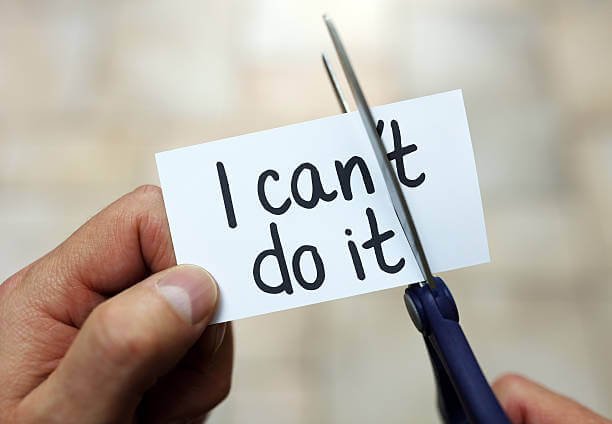
Before we talk about solutions, let us look at what is destroying your confidence right now. These five things are silent killers. They eat away at your self belief without you even noticing.
1. Comparing yourself to others on social media. You see everyone's highlight reel and compare it to your behind-the-scenes. That is not a fair fight. You lose every time.
2. Past failures you cannot let go. Your brain holds onto mistakes like glue. It replays them again and again. Each replay reinforces the belief that you are not good enough.
3. Perfectionism. You expect yourself to be perfect. But perfection is impossible. So you always feel like you are falling short. That feeling kills confidence slowly.
4. Negative self-talk. The voice in your head is cruel. You would never speak to a friend the way you speak to yourself. That inner critic is not keeping you humble. It is keeping you small.
5. Staying in your comfort zone. Your comfort zone feels safe. But it also keeps you weak. Every time you avoid something hard, you send your brain a message: "I cannot handle this." That message becomes a belief.
Albert Bandura, the famous psychologist who pioneered research on self efficacy, said “ In order to succeed, people need a sense of self efficacy, to struggle together with resilience to meet the inevitable obstacles and inequities of life." In simple words: you need to believe you can do something before you can actually do it. That belief is confidence.
Amy Cuddy, the Harvard psychologist who researched power poses, said "Don't fake it till you make it. Fake it till you become it." She means that acting confident actually rewires your brain to feel confident over time. The body leads. The mind follows.
Here is a secret that successful people know. Confidence is built on small wins. You do not need to climb a mountain. You just need to do something slightly difficult every morning. Take a cold shower. Do ten pushups. Make your bed immediately without hitting snooze. These actions feel small. But they send a powerful message to your brain: "I do hard things. I keep my promises to myself." Research shows that achievement triggers more achievement. One small win creates momentum for the next win. Start your day with one hard thing. Watch how differently you feel by noon.
Social media is a highlight reel. People post their wins, not their struggles. When you compare your everyday life to someone else's best moments, you will always lose. So stop. Instead, compare today's you to yesterday's you. Did you read one more page today? Walk fifty more steps? Write one more sentence? Track one small improvement every day. That is real progress. That is real confidence. Not because you are better than someone else. Because you are better than you used to be. That is a competition you can win every single day.
This sounds too simple. But the science is real. Harvard researcher Amy Cuddy found that standing in a powerful posture for just two minutes raises your testosterone (the confidence hormone) and lowers your cortisol (the stress hormone). Stand straight. Shoulders back. Head up. Take up space. Do not shrink. Do not cross your arms. Do not look at the floor. Your brain is always watching your body. When your body looks confident, your brain gets the signal: "I am confident." Try it right now. You will feel the difference immediately.
Watch nervous people talk. They speak fast. They rush through their words. They are afraid that if they stop, someone else will take over. Confident people do the opposite. They speak slowly. They pause between sentences. They are not afraid of silence. Slow down your speech by about twenty-five percent. It will feel strange at first. But others will perceive you as more confident. And more importantly, you will feel more in control. Try it in your next conversation. Slow down. Pause. Breathe. Notice how different you feel.
There is a concept called enclothed cognition. It means that what you wear changes how you think. When you dress one level above the minimum, you feel different. You act different. Do not wear pajamas to work from home. Put on real pants. Wear shoes instead of slippers. Tuck in your shirt. This is not about being fancy or expensive. It is about intention. The message you send to yourself is: "I respect myself. I am ready." That message builds confidence from the outside in.
Confidence is trust. Trust in yourself. Every time you say you will do something and you do it, you build that trust. Every time you break a promise to yourself, you damage it. So start tiny. Promise yourself you will drink water when you wake up. Do it. Promise yourself you will walk for five minutes. Do it. Promise yourself you will write one sentence. Do it. These small promises seem silly. But they are not. They are bricks. Each brick builds a wall of self-trust. And that wall is what confidence feels like from the inside.
Your brain has something called negativity bias. It remembers failures more than successes. That helped your ancestors survive. It does not help you feel confident. So you have to fight it intentionally. Every night, write down three things you did well that day. They can be tiny. You listened to a friend. You finished a small task. You got out of bed on time. That is it. Do this every single night. You are training your brain to notice evidence of your capability. Over time, your brain will start believing what you show it. You are not pretending. You are proving.
Confidence comes from knowing things. Real, concrete knowledge. Spend twenty minutes every day learning one topic deeply. Read about it. Watch videos about it. Practice it. Become the person others ask about that topic. Why does this work? Because knowledge is proof. You cannot argue with proof. When you know more than most people about something, you feel sure of yourself in that area. That feeling spills over into other areas too. You start to see yourself as someone who learns and grows. That is confidence.
Fear of failure is a confidence killer. It keeps you small. It keeps you safe. It keeps you stuck. The cure is exposure. Fail on purpose. Start small. Ask a silly question in a meeting. Make a bad drawing and show someone. Sing badly in the car with the windows down. Send an email that might be ignored. What will happen? Almost nothing. The world will not end. People will not laugh (or if they do, you will survive). Each small failure teaches your brain that failure is not dangerous. It is just information. And when you stop being afraid of failing, you stop being afraid of trying.
Confidence is contagious. Spend time with people who assume you will succeed. They do not doubt you. They do not criticize your dreams. They say: "Of course you can do that." Their belief becomes your belief. At the same time, limit time with critics and cynics. They are not being real. They are being scared. Their fear is not your responsibility. Find your people. Online communities like Reddit's r/confidence are full of people trying to grow. Join them. Learn from them. Let their belief lift you up.
| Low Confidence | High Confidence |
|---|---|
| Avoids challenges | Takes smart risks |
| Speaks quietly, fast | Speaks clearly, slow |
| Apologizes too much | States needs directly |
| Stays in comfort zone | Tries new things |
| Focuses on failures | Learns from failures |
| Waits for permission | Trusts own judgment |
You do not need to do everything at once. Here is a simple plan for the next thirty days.
Week 1: Fix your posture for two minutes every morning. Keep one small promise to yourself daily ( drink water, make bed, walk five minutes).
Week 2: Add slower speaking. Pause between sentences in at least one conversation. Add daily win list (write three things you did well each night).
Week 3: Add twenty minutes of daily learning on one topic. Add one hard thing every morning ( cold shower, pushups, or early wake up).
Week 4: Add failing on purpose once daily. Surround yourself with believers (join a community, limit time with critics).
Printable Checklist:
☐ Week 1: Posture + small promise
☐ Week 2: Slower speaking + win list
☐ Week 3: Daily learning + one hard thing
☐ Week 4: Fail on purpose + believers only
Sometimes low confidence is not just a habit. It can be a symptom of something deeper. Social anxiety makes social situations feel dangerous. Depression drains the energy you need to try new things. Trauma leaves deep wounds that take time to heal. If you have tried these methods and still feel stuck, consider talking to a therapist. There is no shame in that. Brains are complex. Some people need more support. That is not weakness. That is wisdom.
Pick one method from this list. Just one. Do it within one hour of reading this sentence. Do not wait for Monday. Do not wait for the perfect time. Do not wait until you feel motivated. Confidence is not born. It is built. One small action at a time. One day at a time.
Confidence is learned. No one is born confident. It's a skill like cooking or driving. Practice changes your brain over time.
Most people see changes in 2-4 weeks of daily practice. Small wins add up fast. But confidence is ongoing, you maintain it like a muscle.
That’s normal. Sleep, stress, hunger, and past events affect your mood. Confident people still have bad days. They just don’t quit on those days.
Yes, comparing your behind-the-scenes to everyone’s highlight reel kills confidence. Limit social media or unfollow accounts that make you feel small.
staying productive is tough. Here are the 10 best apps for productivity that can actually help.
Read full article →Here are 10 proven ways to earn money online for beginners. Freelancing, affiliate marketing, e-commerce, and more."
Read full article →Here are 10 simple, ways to start saving, even on a tight budget.
Read full article →A few worth your time
 Technology
A simple look at artificial intelligence and how it affects your daily life.
Read full article → Finance
Honest lessons about saving and spending from someone who learned the hard way.
Read full article → Mental well-being
Self-care is not selfish,it is the necessary practice of taking care of yourself to prevent burnout and manage stress.
Read full article →